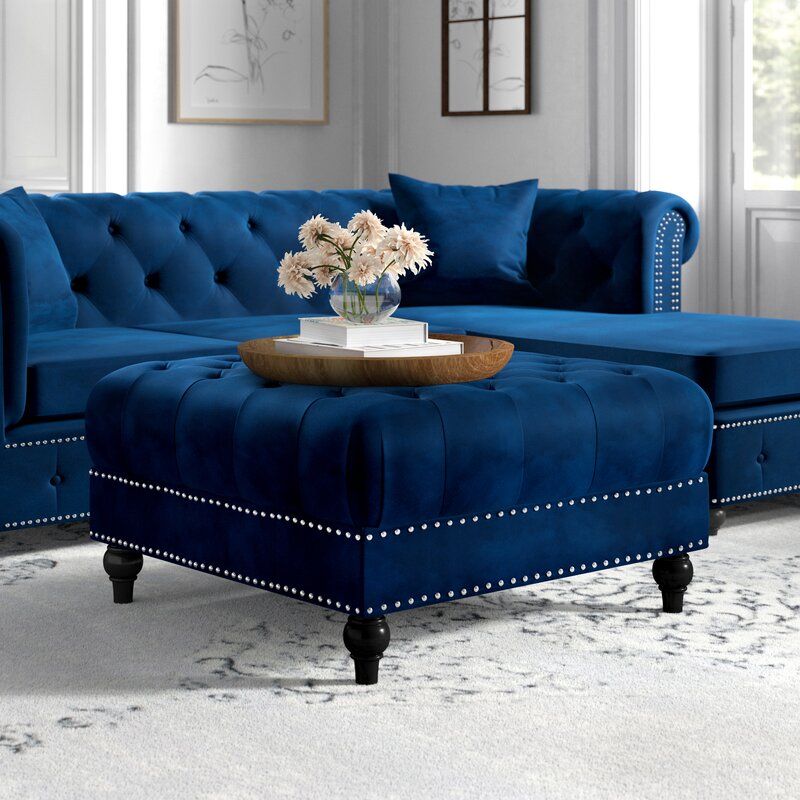
Introduction: Ottomans, those versatile and multifunctional pieces of furniture, have seamlessly woven themselves into the fabric of home décor across centuries. Evolving from their humble beginnings, ottomans have become indispensable elements in modern interiors. In this article, we will explore the rich history, diverse styles and types of ottoman, materials, and offer valuable insights into the dos and don’ts of buying ottomans.
A Brief History of Ottomans:
The history of ottomans dates back to the Ottoman Empire in the 18th century. Originally known as “ottoman divans” or “Turkish chairs,” these low-seated, upholstered footstools were initially reserved for the elite. Over time, ottomans spread across Europe, adapting to various design influences. In the 19th century, they became an essential part of Victorian furniture, and by the 20th century, ottomans had firmly established themselves as versatile and functional pieces.
The styles and types of Ottomans
The terms “style” and “type” when referring to an ottoman can sometimes be used interchangeably, but they generally have slightly different meanings:
Style: This refers to the aesthetic appearance or design of the ottoman. It encompasses factors such as the shape, materials, colours, patterns, and decorative elements. Styles can range from traditional to contemporary, rustic to modern, and everything in between. Some common ottoman styles include classic tufted designs, sleek and minimalist styles, vintage-inspired looks, and eclectic or bohemian designs.
Type: This typically refers to the functional characteristics or purpose of the ottoman. Ottomans can serve various purposes beyond just being a footrest.
Styles of Ottomans:
Ottomans come in a plethora of styles, each catering to different tastes and interior aesthetics.
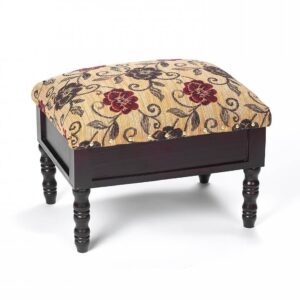
Traditional Ottomans: Inspired by classic designs, traditional ottomans often feature ornate details, rich upholstery, and intricate woodwork. They seamlessly blend with more formal or classic interiors.
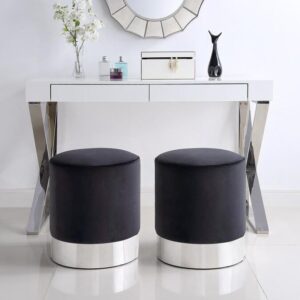
Modern Ottomans: Embracing simplicity and clean lines, modern ottomans boast contemporary designs and often feature sleek materials such as metal and leather. These ottomans are perfect for minimalist or contemporary living spaces.
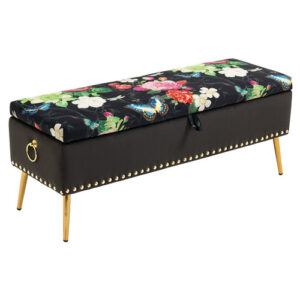
Storage Ottomans: Combining functionality with style, storage ottomans have a hidden compartment beneath the seat, providing a discreet space to stow away blankets, magazines, or other items. Ideal for smaller spaces.
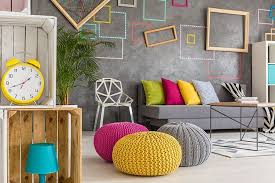
Poufs: Smaller, often round or cube-shaped, poufs are a playful and casual take on ottomans. They add a touch of whimsy and work well in eclectic or bohemian settings.
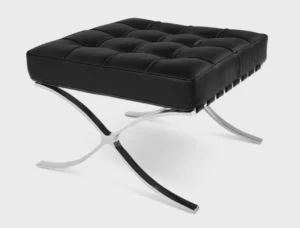
Mid-Century Modern Ottomans: Inspired by the design aesthetics of the mid-20th century, mid-century modern ottomans feature clean lines, tapered legs, and minimalist forms. These ottomans often boast bold geometric patterns and vibrant colours, making them ideal for injecting a retro flair into contemporary spaces.
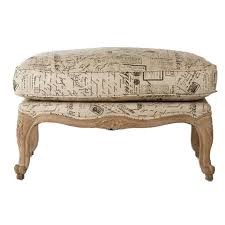
French Country Ottomans: Infused with rustic charm and elegant simplicity, French country ottomans showcase distressed wood, soft upholstery, and gentle curves. These pieces evoke a sense of warmth and casual sophistication, making them well-suited for cosy cottage or farmhouse-style interiors.

Coastal Ottomans: Embracing a beach-inspired aesthetic, coastal ottomans often incorporate light, breezy colours and natural materials such as rattan or wicker. These ottomans effortlessly evoke a relaxed seaside vibe, making them perfect for homes with a coastal or nautical theme.

Art Deco Ottomans: Channelling the opulence of the 1920s and 1930s, Art Deco ottomans feature bold geometric shapes, luxurious materials, and intricate detailing. These ottomans are a statement piece, adding a touch of glamour and sophistication to modern or eclectic interiors.
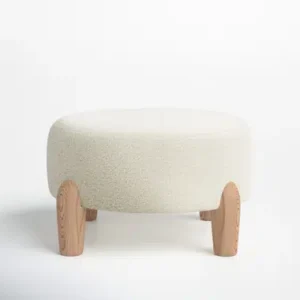
Scandinavian Ottomans: Characterized by simplicity, functionality, and a connection to nature, Scandinavian ottomans often feature light-coloured woods, clean lines, and minimalistic designs. These pieces contribute to a sense of airy, uncluttered spaces, making them a popular choice for contemporary homes with a Nordic influence.
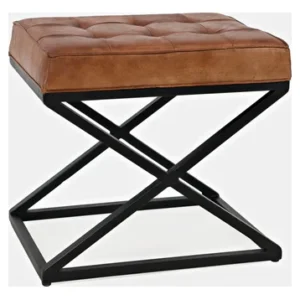
Industrial Ottomans: Drawing inspiration from urban lofts and industrial spaces, these ottomans often showcase raw materials like metal and reclaimed wood. They feature a rugged aesthetic, with exposed hardware and distressed finishes, making them a perfect fit for spaces with an industrial or loft-style vibe.
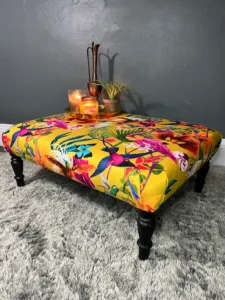
Eclectic Ottomans: For those who appreciate a mix of styles, eclectic ottomans blend various design elements, colours, and textures. These pieces often serve as focal points, allowing homeowners to showcase their unique tastes and preferences. Mixing and matching different styles can create a personalized and visually stimulating space.
Types of Ottomans:
Ottomans come in various types, each serving specific purposes and catering to different preferences. Here are some of the most common types of ottomans:
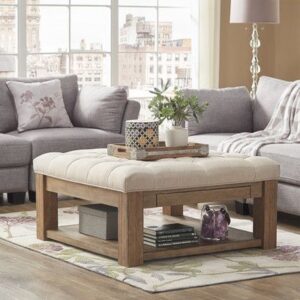
Standard Ottomans: These are the most traditional and versatile ottomans, typically featuring a cushioned top and four legs. They can serve as a footrest, extra seating, or even a makeshift coffee table when paired with a tray.
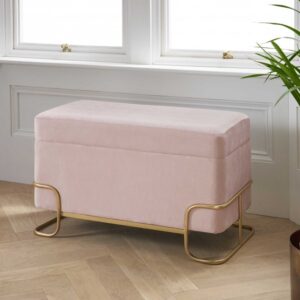
Storage Ottomans: Designed with a hinged or removable top, storage ottomans provide a hidden compartment beneath for storing blankets, pillows, or other items. They are an excellent solution for keeping living spaces tidy.
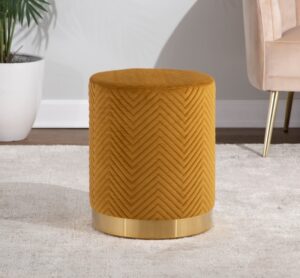
Round Ottomans: As the name suggests, round ottomans have a circular shape. They add a touch of softness to a room and work well in smaller spaces where sharp corners might be a concern.
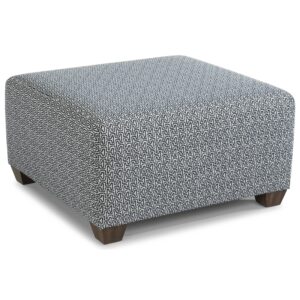
Square Ottomans: Square ottomans are characterized by their straight lines and right angles. They are a popular choice for contemporary spaces and can often be used as both a coffee table and extra seating.
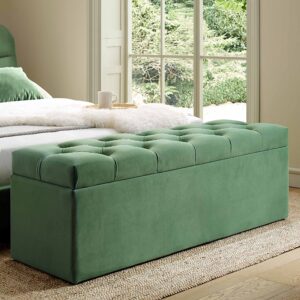
Rectangular Ottomans: These ottomans have a longer, rectangular shape. They are well-suited for larger spaces and can be used as a bench at the foot of a bed or as a coffee table in front of a sofa.
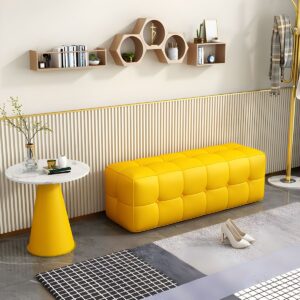
Bench Ottomans: Resembling long benches, these ottomans are perfect for additional seating in entryways, bedrooms, or at the foot of a bed. They often have a streamlined design and may lack a cushioned top.
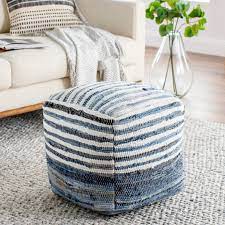
Poufs: Poufs are low, soft, and often more casual than traditional ottomans. They are typically round or cube-shaped and can be easily moved around the room for extra seating or as a footrest.
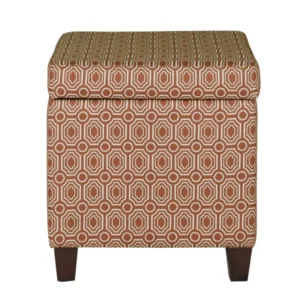
Cube Ottomans: Characterized by their cubic shape, cube ottomans are modern and compact. They can serve as standalone seating or be grouped together for a modular seating arrangement.
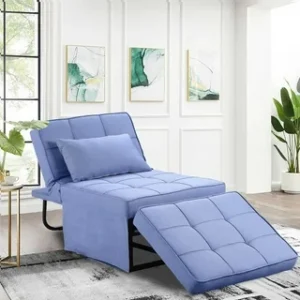
Convertible Ottomans: These ottomans can transform into other furniture pieces, such as a sleeper sofa or a table. They are ideal for maximizing functionality in small living spaces.
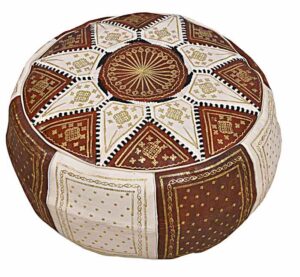
Moroccan Ottomans: Inspired by traditional Moroccan design, these ottomans often feature vibrant colours, intricate patterns, and plush upholstery. They add a touch of exotic flair to any space.
The Materials Used in Ottoman Construction:
Ottomans can be crafted from a variety of materials, each contributing to the overall look and feel of the piece.
Leather: Classic and luxurious, leather ottomans exude sophistication. They are durable and easy to clean, making them a practical choice for high-traffic areas.
Fabric: Fabric ottomans offer a wide range of colours, patterns, and textures, allowing for greater customization. However, they may require more maintenance to keep them looking their best.
Wood: Wooden ottomans bring a touch of warmth and traditional charm. They can be carved or stained in various finishes to match different décor styles.
Metal: For a more contemporary feel, metal ottomans are an excellent choice. They are often lightweight and can feature sleek, minimalist designs.
Velvet: Velvet ottomans exude luxury and sophistication. The plush and soft texture of velvet adds a touch of opulence to any room. However, velvet may require more careful maintenance to prevent crushing or staining.
Chenille: Chenille is a fabric known for its velvety softness and textured appearance. Chenille ottomans offer a cosy and inviting feel, making them ideal for comfort-oriented spaces like bedrooms or cosy living rooms.
Microfiber/Suede: Ottomans made from microfiber or suede provide a suede-like feel without the high maintenance associated with genuine suede. They are often resistant to stains and can be a practical choice for households with children or pets.
Jute: Jute ottomans bring a natural and earthy element to a space. Jute is a sustainable and eco-friendly material, making it an excellent choice for those seeking environmentally conscious décor options.
Bamboo: Lightweight and durable, bamboo ottomans add a tropical or Asian-inspired touch to a room. They are suitable for both indoor and outdoor use, providing a versatile and eco-friendly choice.
Rattan: Ottomans crafted from rattan are popular for bohemian, coastal, or tropical décor styles. The natural rattan fibres create a light and airy feel, while the sturdy construction ensures durability.
Linen: Linen ottomans offer a casual and relaxed aesthetic. The breathable and lightweight nature of linen makes it a comfortable choice for seating or as a footrest.
Faux Leather: An alternative to genuine leather, faux leather ottomans provide a similar look and feel while being more affordable and easier to maintain. They are a practical option for those who appreciate the aesthetic of leather without the ethical or budgetary considerations.
Faux Fur: Faux fur ottomans add a touch of glamour and cosiness. They are often used as accent pieces in bedrooms or living rooms, contributing to a luxurious and inviting atmosphere.
Wool: Wool ottomans offer warmth and comfort. They are naturally resistant to stains and dirt, making them a durable and low-maintenance option.
Metallic Finishes: Ottomans with metallic finishes, such as gold or silver, add a touch of glamour to a space. They are often used as statement pieces in contemporary or eclectic interiors.
Glass: Though less common, some ottomans feature glass tops or accents. These ottomans contribute to a modern and sleek design, and they can be easy to clean.
The Dos and Don’ts When Buying Ottomans:
When considering purchasing an ottoman, keep these dos and don’ts in mind to ensure you make the right choice for your home:
Do:
Consider Functionality: Determine how you plan to use the ottoman. Whether it’s for extra seating, a coffee table, or a decorative accent, understanding its primary function will guide your choice.
Coordinate with Existing Décor: Choose an ottoman that complements your existing furniture and décor. Consider colour, style, and materials to ensure a cohesive look.
Check Size and Scale: Measure the available space in your room to ensure the ottoman fits comfortably. It should neither overpower the room nor get lost in a sea of furniture.
Explore Versatility: Opt for ottomans that serve multiple purposes. Storage ottomans, for example, provide a practical solution for both seating and organization.
Don’t:
Overlook Durability: Ensure the ottoman is made from quality materials to withstand regular use. This is especially crucial if you have children or pets.
Neglect Comfort: While aesthetics are essential, comfort should not be sacrificed. Test the ottoman in-store if possible or read customer reviews to ensure it provides the comfort level you desire.
Ignore Maintenance Needs: Consider the upkeep required for different materials. Some may be more prone to staining or wear, so choose accordingly based on your lifestyle.
Disregard Your Budget: Ottomans come in a wide price range. Set a budget and stick to it, ensuring that you get the best value for your investment.