Blossoms That Last: Enrich Your Interiors with Beautiful Artificial Floral Designs!

Artificial flowers have evolved from mere imitations into sophisticated and realistic decorative elements that find their place in contemporary interior design. Over the years, these faux blooms have gained popularity for their durability, low maintenance, and the ability to bring the beauty of nature indoors. In this article, we will explore the history, The material used to create artificial flowers, sizes, colours, advantages, disadvantages, and some essential dos and don’ts when it comes to incorporating artificial flowers into interior design.

A Brief History:

The use of artificial flowers dates back centuries, with evidence suggesting that the ancient Egyptians crafted replicas of blossoms using materials like linen and silk. However, it wasn’t until the 19th century that artificial flowers gained prominence in Europe, driven by advancements in manufacturing techniques and the desire to have long-lasting, lifelike blooms as home decor. Today, artificial flowers are made from various materials, including silk, polyester, and plastic, with a focus on achieving an authentic appearance.

The Materials used In the Creation of Artificial Flowers:

Artificial flowers are crafted from a variety of materials to achieve different looks, textures, and levels of realism. The choice of material depends on factors such as the intended use, budget, and desired appearance. Here are some common materials used in the production of artificial flowers:
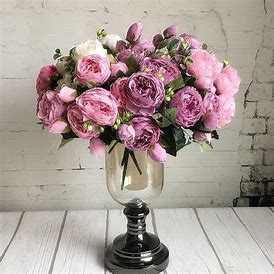
Silk: Silk flowers are renowned for their natural appearance and delicate texture. They are often made from real silk fabric or a blend of silk and other materials. Silk flowers are a popular choice for high-quality, realistic arrangements.
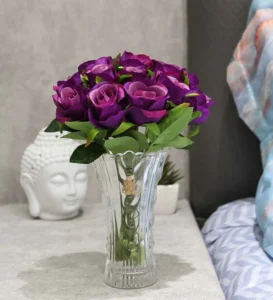
Polyester: Polyester is a durable and cost-effective material commonly used for artificial flowers. Polyester flowers are resistant to fading, making them suitable for outdoor use. They are available in a wide range of colours and can mimic the appearance of various flower types.
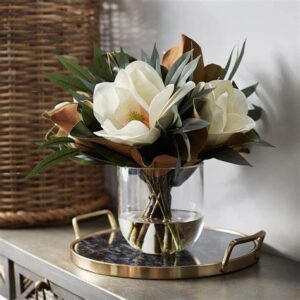
Plastic: Plastic flowers are affordable, lightweight, and come in a multitude of colours and shapes. They are often chosen for their longevity and resistance to weather conditions, making them suitable for both indoor and outdoor settings.
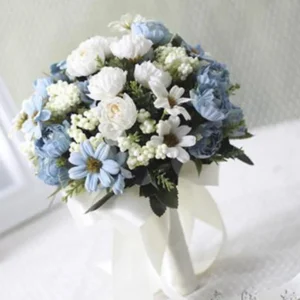
Foam: Foam flowers are lightweight and pliable, allowing for intricate and detailed designs. Foam is often used to create realistic petals and delicate structures in artificial flowers.
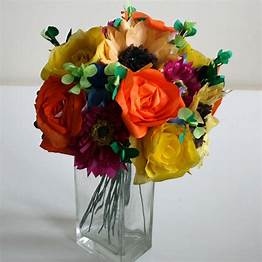
Paper: Handcrafted paper flowers have gained popularity for their eco-friendly nature and artistic appeal. They are available in various colours and can be shaped to resemble a wide range of flower types.
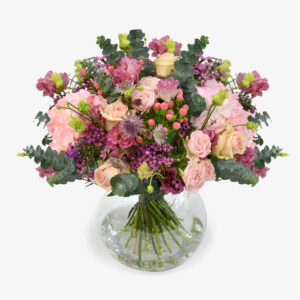
Wax-Coated: Some artificial flowers have a thin layer of wax applied to the petals, providing a glossy and lifelike appearance. Wax coating can enhance the visual appeal of the flowers, making them look more natural.
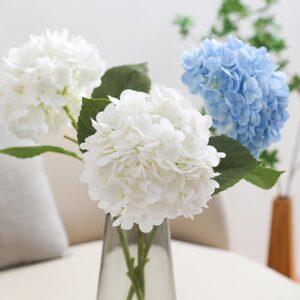
Latex: Latex flowers are known for their realistic texture and touch. They often have a soft, velvety surface, making them a close match to certain real flowers like orchids and lilies.
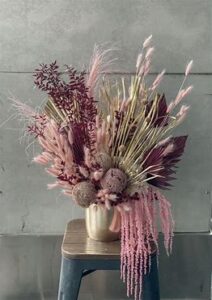
Dried and Preserved Materials: While not entirely artificial, dried and preserved flowers are treated to maintain their form and colour. These materials include dried leaves, stems, and flowers.
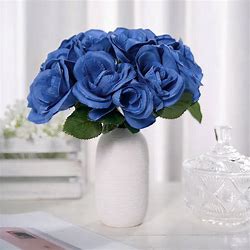
Velvet: Velvet flowers provide a luxurious and rich texture, making them an elegant choice for sophisticated interior designs. They often come in deep, vibrant colours, adding a touch of opulence to any space.
Sizes and Colours:

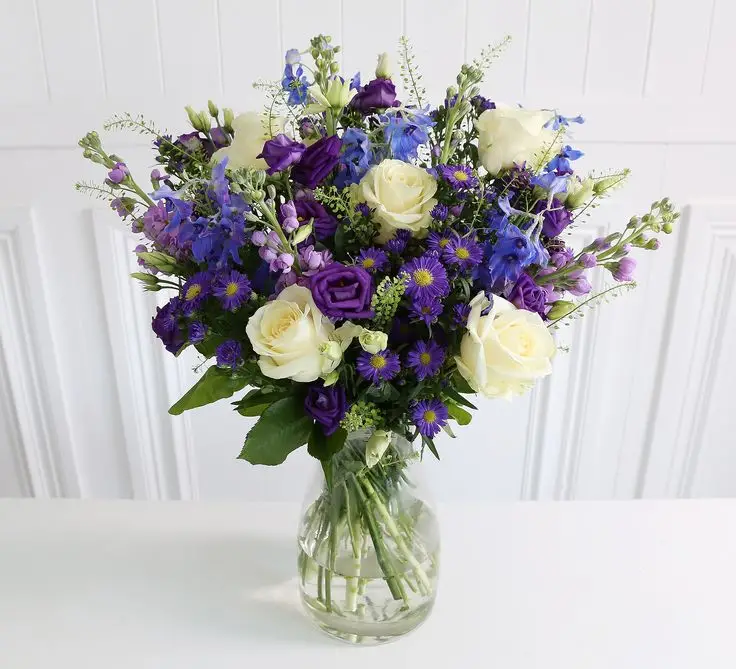
Artificial flowers come in various sizes, from small delicate blossoms to large statement pieces. The color options are virtually limitless, allowing for customization to match any interior design scheme. Whether you prefer classic white roses, vibrant sunflowers, or exotic orchids, artificial flowers offer a wide array of choices to suit your taste.

Advantages of Artificial Flowers:

Low Maintenance: Unlike real flowers, artificial blooms require minimal maintenance. They don’t need water, sunlight, or pruning, making them a hassle-free option for busy homeowners.

Longevity: Artificial flowers maintain their beauty over time, providing a lasting and cost-effective solution for home décor.

Allergen-Free: For those with allergies, artificial flowers are an excellent alternative, as they don’t produce pollen or trigger allergic reactions.

Disadvantages of Artificial Flowers:

Lack of Fragrance: One of the main drawbacks of artificial flowers is the absence of natural fragrance, which is an integral part of real flowers’ charm.

Potential Tackiness: Poorly crafted or cheap artificial flowers may look tacky and detract from the overall aesthetic of a space.

Environmental Impact: While artificial flowers can be eco-friendly if made from sustainable materials, many are produced using non-biodegradable plastics, contributing to environmental concerns.

Dos and Don’ts When Buying Artificial Flowers:

Do:

Consider Quality: Invest in high-quality artificial flowers to achieve a more realistic and aesthetically pleasing look.

Mix Real and Artificial: Combine artificial flowers with real ones for a dynamic and authentic floral display that incorporates the best of both worlds.

Choose the Right Size: Select artificial flowers that are proportionate to the space they will occupy. Avoid overpowering small rooms with large arrangements.

Don’t:

Avoid Cheap Materials: Steer clear of artificial flowers made from low-quality materials, as they may not withstand the test of time and can look unappealing.

Overcrowding: Resist the urge to overcrowd a space with too many artificial flowers. Opt for a balanced and tasteful arrangement to maintain a sense of elegance.

Ignoring the Environment: Consider the environmental impact of your purchase. Look for artificial flowers made from sustainable materials to minimize ecological consequences.

 
Artificial flowers have come a long way from their humble beginnings, becoming an integral part of modern interior design. Their versatility, low maintenance, and ability to add a touch of nature to any space make them a popular choice for homeowners and designers alike. By carefully selecting high-quality blooms and adhering to some dos and don’ts, artificial flowers can enhance the aesthetic appeal of your home while requiring minimal effort in maintenance. Whether you prefer the timeless elegance of silk or the affordability of plastic, artificial flowers offer a spectrum of options to suit every taste and style.
 
 
Spread the love

Leave a Reply

Your email address will not be published. Required fields are marked *